
Burnout isn’t always high cortisol: Why chronic stress can lead to low cortisol in moms
Stress doesn’t always mean high cortisol - I’m seeing more and more of my burnout patients with low cortisol levels. Let’s talk about it.
February 8, 2026

The other day, I was on a call with a potential new client.
What started as an info session about how nutrition and functional testing could help with her symptoms turned into a much bigger conversation about modern motherhood and why so many moms feel like their bodies just aren’t responding to stress the way they used to.
Because here’s the reality:
Over the past several years, I’ve seen a major shift in stress resilience in my patients and cortisol data is backing that up.
Why chronic stress can lead to low cortisol
In my work, it has always been standard to talk about stress support with new moms.
How adrenal health relates to hormones and nutrients.
Stress management techniques.
Supplement support.
Figuring out how to take things off your plate.
This has always been part of the package and a necessary one.
What’s changed is how long stress stays elevated.
Many moms aren’t dealing with short bursts of stress anymore. They’re living in a near-constant state of demand:
Broken sleep for years, not months
Ongoing mental load with little recovery time
Pressure to function at full capacity without adequate support
When stress is acute, cortisol tends to run high.
When stress is chronic and unrelenting, the body often adapts by doing the opposite.
Cortisol output drops.
Read Next:
What I’m seeing in lab data now
I run nutrient and hormone testing on every single one of my 1:1 clients.
And there’s a very real difference between what I see now compared to typical panels from four or five years ago.
I’m seeing:
More stress-induced nutrient deficiencies (especially B vitamins and magnesium)
More chronic stress–linked gut issues
More symptoms like PMS, insomnia, fatigue, and burnout
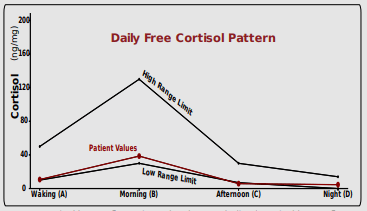
And cortisol patterns in particular have shifted significantly.
It used to be common to see high cortisol spikes throughout the day.
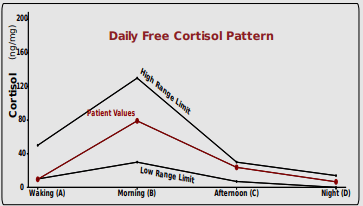
Now, I’m seeing low cortisol as the norm.
Want more like this?
Subscribe to my newsletter for weekly(ish) postpartum hormone and nutrition tips
High cortisol vs. Low cortisol: What’s the difference?
High cortisol often shows up in the earlier stages of chronic stress.
If that stress continues without relief, the body can downregulate cortisol production leading to low cortisol, which is often associated with burnout.
Low cortisol is:
Harder to bounce back from
Easier to miss on standard labs
Often dismissed as “just stress”
And it deserves more attention, not less.
If you feel like you’re hanging by a thread
If you feel like you’re barely scraping by. Hanging on, exhausted, and wondering how everyone else seems to be functioning, you are not alone.
Our mom bodies go through enormous physical stress from:
Pregnancy
Birth
Postpartum recovery
Years of sleep disruption
Layer chronic stress on top of that, and it’s no wonder so many moms feel depleted.
I truly believe the first step toward healing is understanding what’s actually happening in your body so we can stop blaming ourselves for feeling like garbage.
From there, we focus on what is in your control, knowing full well that we can’t fix everything.
How nutrition supports stress and cortisol
No, adding avocado to your daily routine is not going to fix all of the stress in your life.
But replenishing nutrients lost to chronic stress and reducing physical stressors can dramatically improve how you feel.
Key areas we look at include:
Sleep quality and timing
Blood sugar stability
Gut health and inflammation
Supporting these systems makes your body more resilient to stressors you can’t control.
That’s where my work comes in.
If this post helps you feel seen around something not enough people are talking about, good. That was the point.
Sending you a big, oxytocin-filled hug from San Diego.
Want support navigating this?
If you’d like help sorting through your specific symptoms whether that’s burnout, hormone issues, exhaustion, or feeling like your body hasn’t bounced back, we can talk about what support might look like for you.
👉 Learn more about working together here.
xo
Alison
Want the good stuff?
sign up to get weekly postpartum and hormone tips via email.