

Unpopular opinion: I actually like falling back to standard time. Sure, the 5 p.m. darkness sucks, but getting more morning sunlight can be good news for your sleep, energy and internal clock. Here's why, and how to make it work when you've got kids.
NOVEMBER 12, 2026
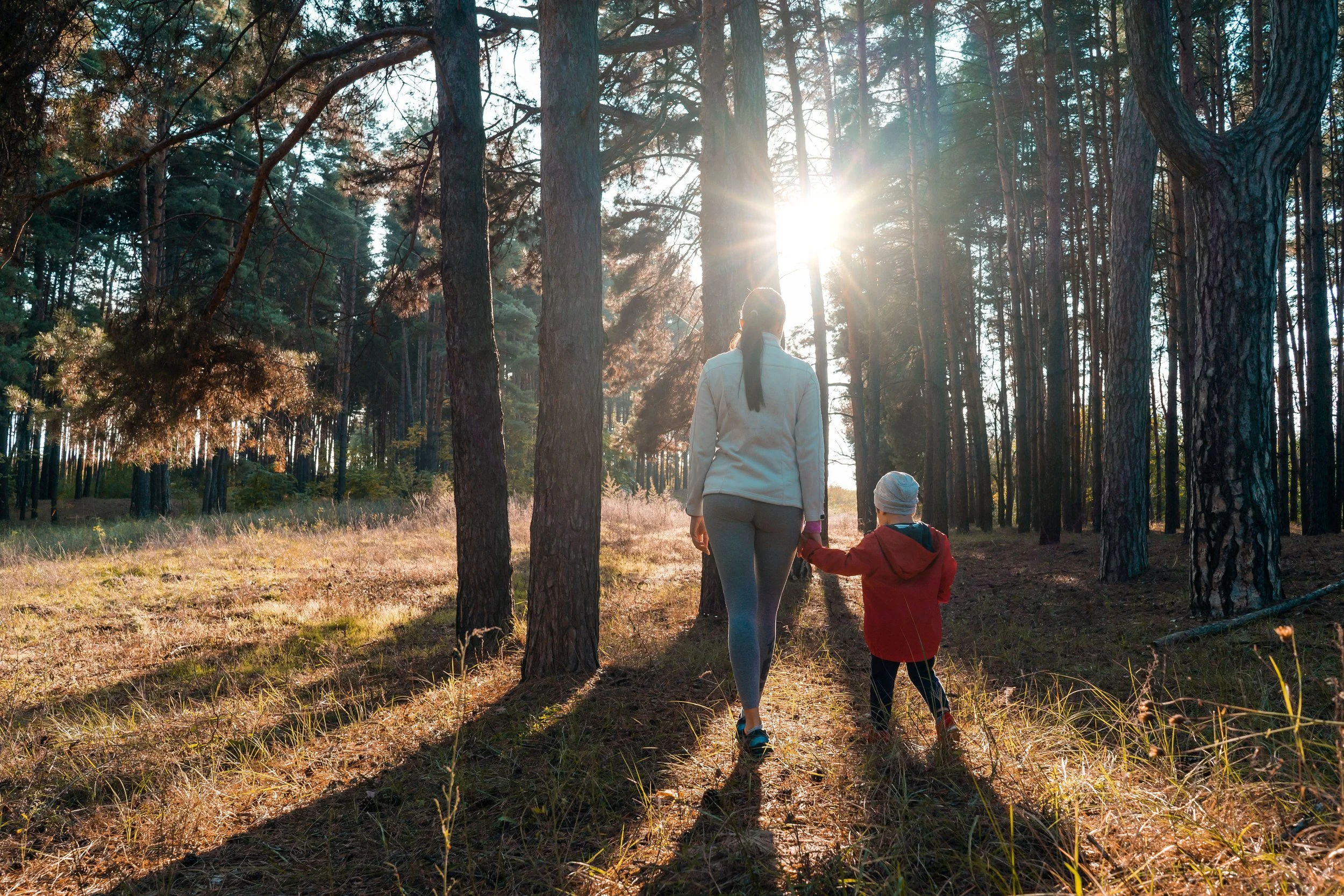
In all my years of parenting, I've never properly prepared the kids for the time change (which usually looks like adjusting bed and wake time by 10-15 minutes several days in a row).
So the boys tend to wake up a bit earlier than usual when the clocks fall back, but now that they're older that's not as much of an issue as it was a few years ago.
Ok so here it goes, my unpopular opinion.
I like the time change from daylight saving time to standard time every fall.
Yes, I know it gets dark at 5pm and that sucks. We've even had to call baseball practice early because it got too dark.
But the change back to standard time is actually better aligned with our bodies' internal clocks.
In fact, there's a group of sleep medicine experts advocating for a permanent change to standard time, citing a butt-load of evidence that it's better for us and more in line with our natural sleep-wake rhythms.
Why is that?
Two words.
Morning. Sun.
Why is standard time better for your sleep?
Our bodies have an internal clock, called the circadian rhythm, that helps regulate when we feel awake and when we feel sleepy.
And one of the most important things influencing that clock?
Light.
Particularly morning light.
When we switch back to standard time in the fall, sunrise happens earlier on the clock.
That gives us more access to natural morning light at a time when many of us are already awake and getting our kids ready for the day.
And morning light is a pretty big deal for setting our internal clocks.
How morning sunlight affects cortisol and your hormones
Getting morning sunlight in your eyeballs when you wake up helps tell your body that it's time to start the day.
(Not by staring directly at the sun, please. Just get outside into natural daylight.)
Morning light helps set the stage for your cortisol to do its cortisol-ly thing.
IE, rise in the morning.
Sunlight is basically telling your internal clock to wake tf up and get going.
Cortisol naturally follows a daily rhythm, with levels generally rising around waking and declining as the day goes on.
And cortisol is involved in a whole lot more than just feeling stressed.
It plays a role in energy, our stress response, metabolism, and how our bodies function throughout the day. It also interacts with systems involved in sleep, mood, appetite, and other hormones.
But it's a Goldilocks situation.
We want cortisol doing what it's supposed to do at the appropriate times.
Morning sunlight can help reinforce that normal day-night rhythm by giving your circadian clock a clear signal that it's morning.
This doesn't mean ten minutes outside will magically fix a cortisol problem or balance every hormone in your body.
But getting morning light is a super accessible, do-from-anywhere, FREE way to support your sleep-wake rhythm.
And we love free.
Read Next:
How much morning sunlight do you need?
Now if you're like, no you're wrong. Fall back sucks!
I have some tips.
You can start with about 10 minutes outside in the morning, especially if it's bright and sunny.
Outdoor light is generally much brighter than the light you're getting through your windows.
So get outta your house.
Bundle up, it's getting cold out there.
There isn't one magical number of minutes that works for everyone, though. Cloud cover, season, location, and how bright it is outside all make a difference.
The point is to make natural morning light part of your routine, ideally not too long after waking or once the sun is up.
And you don't have to turn it into another elaborate wellness ritual.
How to get morning sunlight when you have little kids
I personally like getting up before my kids to enjoy this time in quiet.
I've even drafted some of my writing in a notebook while sitting outside getting my morning sun.
How meta.
But this is something I've started doing as my kids have gotten older and I'm not interrupted at night anymore.
If you are in the depths of sleep deprivation, don't set your alarm too early.
Seriously.
I'm not suggesting that the mom who's been up nursing every 90 minutes should sacrifice another half hour of sleep to sit outside in the cold.
Sleep matters too.
If your kids are little, you've got a few options:
Take them outside with you. We call this "saying good morning to the sun."
Take turns with your partner to cover part of the morning routine while you pop outside.
Get the kids set up with an activity and step outside for a few minutes when you can.
Make morning light part of something you're already doing, like walking the dog, school drop-off, or having your coffee outside.
You can get creative here.
And if you're only able to get outside for five minutes today?
Great.
We're not trying to make morning sunlight another thing on the list of ways you're supposedly failing at motherhood.
Can morning sunlight help seasonal affective disorder (SAD)?
For those who deal with Seasonal Affective Disorder (SAD), morning light is especially worth paying attention to.
With the evening light disappearing earlier, getting outside during daylight hours can become more important.
And if you're naturally a night owl, this might be particularly challenging.
You're already inclined to stay up later, and now you're dealing with fewer daylight hours on top of it.
Lovely.
For some people, shifting their schedule to allow more daylight exposure in the morning may help with sleep timing and mood.
But there's an important distinction here.
Seasonal affective disorder is a form of depression, not just a case of hating winter.
Morning outdoor light can be a helpful habit, but it isn't necessarily enough to treat SAD.
If you're experiencing persistent low mood, loss of interest, significant fatigue, or other depressive symptoms, talk with your healthcare provider. Treatments such as appropriately timed bright-light therapy and mental-health care may be needed.
And if you're dealing with serious sleep deprivation, don't force yourself to get up earlier just to squeeze in more daylight.
We need to look at the whole picture.
Want more like this?
Subscribe to my newsletter for weekly(ish) postpartum hormone and nutrition tips
Your sleep routine doesn't have to look the same all year
One more note.
Our bodies aren't meant to do the exact same thing and be on the same schedule all year long.
Making adjustments according to the season, whether that be changes in food, exercise, and sleep-wake time, can be more in alignment with our needs.
This goes for the actual change in seasons, and the life season that you're in.
What works when you have a newborn might look completely different from what works when your kids are sleeping through the night.
And that's fine.
So if you're dreading the darker evenings, try looking at what you can do with those earlier mornings.
Get outside.
Get some daylight.
And maybe, just maybe, standard time isn't the villain everyone makes it out to be.
Exhausted even when you're doing all the right things?
If you're:
Dragging yourself through the day
Struggling with sleep and energy crashes
Feeling burnt out or constantly running on coffee
Wondering why you still feel exhausted even when you're trying to take care of yourself
This is where we need to look at more than just your morning sunlight routine.
Energize is my short, self-paced program for moms who are dragging and want a simple place to start.
We'll look at your flavor of tired and practical changes you can make to food, sleep, and your daily routine to support better energy.
No complicated protocols.
No expecting you to overhaul your entire life.
Just a realistic place to start feeling more human again.
👉 Learn more about Energize here.
xo
Alison

Want the good stuff?
sign up to get weekly postpartum and hormone tips via email.