
Why weight struggles are usually a symptom and not the root problem
OCTOBER 29 , 2026
I just wrapped a 3-month program with my client Laura (shared with permission).
She came to me for help with:
Gut issues
Low energy
Cyclic migraines
Difficulty losing weight
She felt like she was doing all the right things but still couldn’t feel good in her postpartum body after two kids.
Why postpartum weight loss can feel impossible
Her conventional labs were “normal.”
She was:
Eating well (lots of veggies, lean protein)
Running long distances
Breastfeeding her almost 1-year-old
By all standard advice, she should have been feeling amazing.
She wasn’t.
Why doing more exercise and eating less can backfire
She wasn’t losing weight (despite tracking intake, doing a lot of cardio, and breastfeeding)
Her energy was in the toilet (especially after runs)
She felt constantly bloated even with “perfect” fiber intake
So we dug deeper.
We ran functional + conventional labs and found:
Cortisol imbalances
Estrogen issues
Gut inflammation
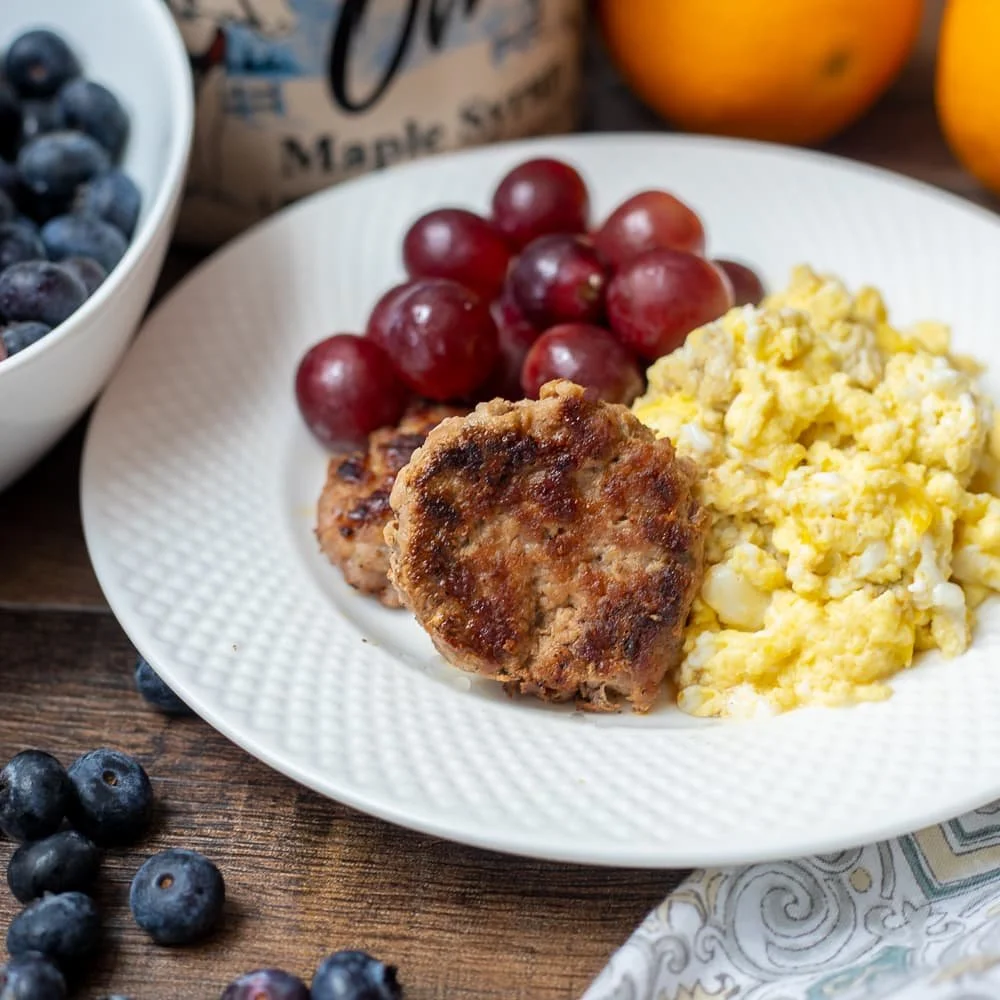
Then we looked at her diet.
And here’s the kicker:
She was undereating.
Read Next:
Can undereating make it harder to lose weight?
We increased her food intake, significantly.
More complete meals. More nourishment. More actual fuel.
As a result:
She stayed full longer
She stopped needing constant snacks
Her body finally had enough to work with
We also pulled back on the intensity of her exercise.
What happened when she started eating more and exercising less
Over the course of working together:
Sleep improved
Bloating decreased
Migraines disappeared
Energy increased
And then…
She lost 10 pounds in about 6 weeks.
While:
Traveling
Going “off plan”
Not being perfect
Want more like this?
Subscribe to my newsletter for weekly(ish) postpartum hormone and nutrition tips
Why weight loss isn’t always the real goal
She felt:
Better
More vibrant
More energized
More balanced
The weight loss?
A bonus.
Not the main event.
Why weight can be a symptom instead of the root problem
Laura is a perfect example of this:
Weight struggles are usually a symptom.
Not the root issue.
When we:
Replenished her nutrients
Reduced inflammation
Supported gut health
Balanced hormones
Her body let go of the weight it had been holding onto after two pregnancies.
No restriction.
No starvation.
No excessive HIIT.
No intermittent fasting.
(cough cough Gwyneth cough cough)
We gave her body what it actually needed.
Read Next:
Why “calories in, calories out” doesn’t tell the whole story
When it comes to weight loss, the dominant message is:
Calories in vs. calories out.
But in real life?
That math isn’t mathing.
Especially when hormones are involved.
In over two decades of clinical experience, I have yet to see a single patient struggling with weight because they’re wildly overeating.
If anything?
They’re usually under-eating.
What happens when you stop focusing only on weight
When weight stops being the main focus and becomes just one piece of the puzzle:
You start asking better questions.
Like:
Why is the body holding onto weight?
What systems are out of balance?
Where is the stress (internal or external) coming from?
Because:
“Eat less and exercise more” is almost never the answer.
When to get support for postpartum weight and metabolic health
If this story sounds familiar, doing everything “right” but still feeling off, there’s usually more going on under the surface.
Inside Metabolic Moms, we focus on:
Hormone balance
Metabolic health
Gut function
Sustainable energy (not burnout disguised as discipline)
So your body can actually respond the way you expect it to.
👉Learn more about metabolic moms here.
xo
Alison
Want the good stuff?
sign up to get weekly postpartum and hormone tips via email.