
Pregnancy, birth, and breastfeeding are nutritionally demanding, but some moms are at a higher risk of depletion than others. From blood loss during delivery to restrictive diets and back-to-back pregnancies, here are eight reasons your nutrient stores might need some extra attention.
NOVEMBER 12, 2026
Have you heard of the concept of "postnatal (or postpartum) depletion?"
It's the often overlooked nutrient deficiencies that can show up in a new mom.
In my nutrition practice, I see nutrient deficiencies ALL THE TIME. I've yet to meet or treat a new mom who wasn't suffering from some kind of symptom that could be related to a deficiency.
Of course, symptoms aren't proof of a deficiency, but they're absolutely worth looking into.
What is postpartum depletion?
In my nutrition practice, I always start with nutrition and nutrient status.
Many times what we think of as a hormone, immunity, energy or sleep problem can actually be related to our nutrient status.
Our food and nutrition is the foundation of everything.
Nutrient deficiencies are the holes in our leaking cup.
If we don't patch those up first, we can't expect to be able to operate from that "full cup" we're all searching for.
Pregnancy, delivering a baby and healing postpartum (especially if breastfeeding) all increase the demands on your body.
And while that doesn't mean every mom automatically has a nutrient deficiency, it does mean we need to pay attention to how well you're replenishing what your body needs.
Who is at higher risk for postpartum nutrient deficiencies?
How do you know if you're at a higher risk than usual for nutrient deficiencies post-baby?
Well first let me say this: the nutrient demands of being pregnant, delivering a baby and healing postpartum (especially if breastfeeding) put all of us at risk of one or more deficiencies.
But there are some additional factors that mean we really need to work on nutrient repletion and be mindful of any symptoms that you're experiencing, as they could be more related to your nutrient status rather than just "being a new mom."
Especially those vague symptoms like fatigue, brain fog, getting sick all the time, insomnia and moodiness.
Here are 8 reasons why you may be at higher risk for nutrient shortages:
You were deficient in a nutrient before or during pregnancy. For example, iron or vitamin D, both super common nutrients I look at in my practice. If you went into pregnancy already low, your nutrient stores may need some extra attention postpartum.
You had birth complications. Heavy bleeding that resulted in a loss of blood, for example, or complications that increased the nutrients needed for healing. Significant blood loss can be particularly relevant to iron status.
Your diet is less than ideal. Meaning you're not getting enough nutrient-dense foods, you're skipping some food groups, dieting, or simply not eating enough or enough variety. Same thing goes if this sounds like you prior to pregnancy. Your nutrient stores could have been low-ish going into pregnancy and got tapped out from baby. And no, eating processed foods doesn't automatically make your diet deficient. We need to look at the whole picture.
This isn't your first baby. Nutrient deficiencies can show up for the first time or worsen with subsequent pregnancies, especially if you haven't had much time to replenish between them. This is particularly worth considering if your babes are less than 3 years apart.
You're a mom of multiples! Growing and caring for more than one baby can mean additional demands on your body, including greater nutritional needs during pregnancy and breastfeeding.
You're actively trying to lose "baby weight." By cutting calories (or carbs or going vegan or going keto.....) and/or you're doing a ton of cardio. When these changes leave you under-eating or missing important nutrients, replenishing after pregnancy becomes a whole lot harder.
Your demand for nutrients is higher than average. Conditions like high stress, low sleep or an inflammatory condition can affect your nutritional needs, eating habits and recovery. This is where I pay attention to nutrients involved in energy production and stress response, including B vitamins, magnesium and antioxidants. That doesn't automatically mean you're deficient, but it does mean we need to look at what you're getting.
You aren't absorbing your nutrients! The old adage of "you are what you eat" should really be "you are what you absorb." If there are underlying gut issues affecting absorption, then this is something we need to address. Chronic GI symptoms like gas, bloating, constipation or diarrhea deserve a closer look, especially if they're persistent. Skin issues like rosacea or eczema can happen for many reasons and don't automatically mean you're not absorbing nutrients, but they're still worth discussing as part of your overall health history.
Any of those 8 sound like you?
Read Next:
Why you keep getting sick after having kids (and what your immune system is trying to tell you)
What are the signs of postpartum nutrient deficiencies?
Here's where it can get tricky.
A lot of the symptoms of nutrient deficiencies overlap with things we hear are "normal" after having a baby.
Fatigue.
Brain fog.
Moodiness.
Trouble sleeping.
Hair loss.
Feeling like you're getting sick every time your kid brings something home from daycare.
Sound familiar?
These symptoms can be related to nutrient deficiencies, but they can also have other causes, including sleep deprivation, thyroid issues, hormonal changes and other medical conditions.
Which is why I don't want you assuming every symptom is just motherhood.
And I also don't want you diagnosing yourself with an iron or magnesium deficiency because someone on Instagram said your symptoms sounded familiar.
We need to figure out what's actually going on.
How to replenish nutrients after pregnancy and breastfeeding
If any of those 8 risk factors sound like you, then it's time to take a hard look at your diet for revamping and see if some targeted supplements may be necessary.
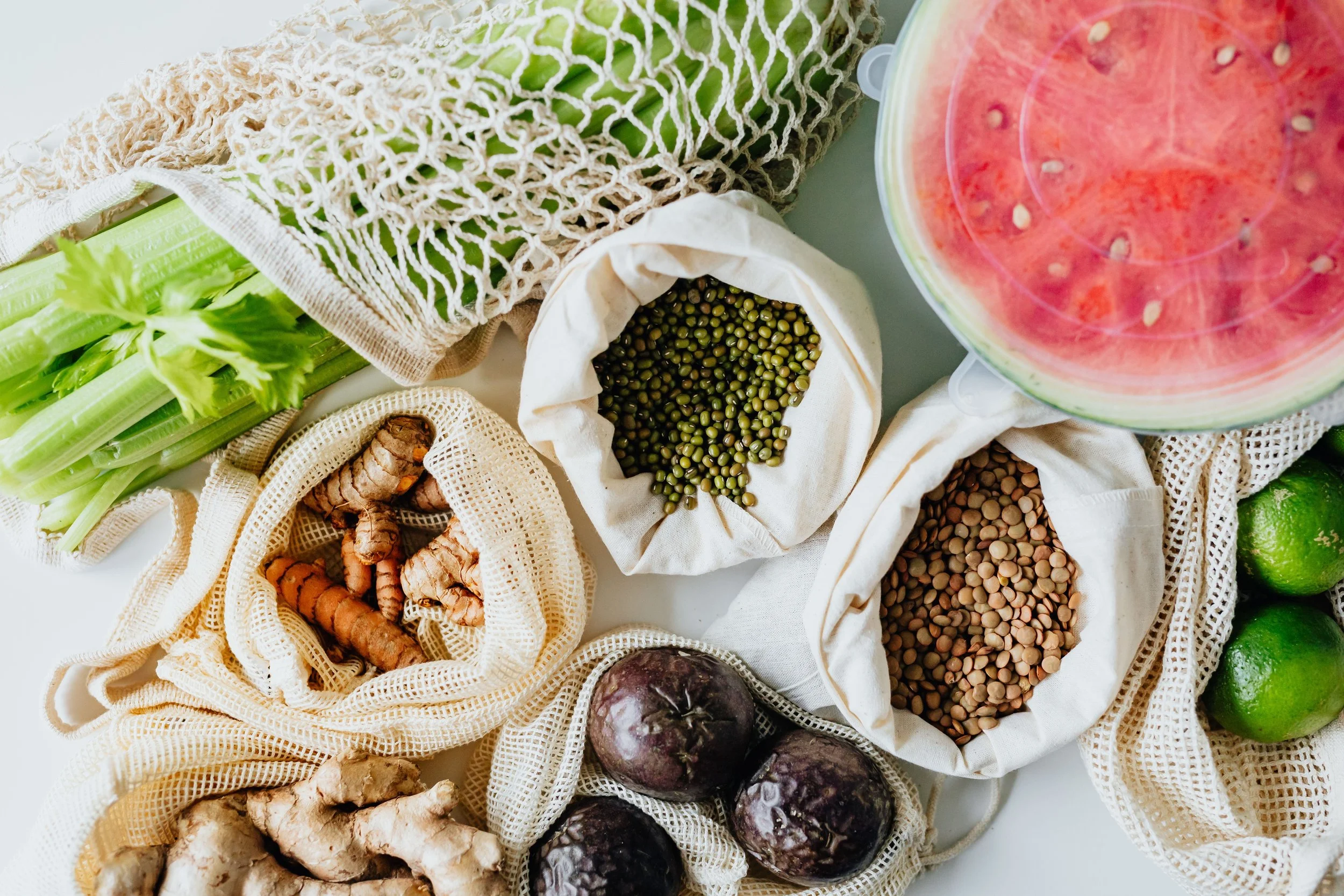
Food comes first.
Are you eating enough?
Getting adequate protein?
Eating a variety of foods that provide the vitamins and minerals your body needs?
Or are you still running on coffee, snacks, and whatever you can grab between taking care of everyone else?
Your prenatal or postnatal supplement may be a useful part of your plan, depending on your individual needs and whether you're breastfeeding. But supplements aren't one-size-fits-all, and they don't replace actual food.
If you're still feeling off, you may need a more targeted plan depending on the vitamin or mineral in question.
That can mean reviewing your symptoms, nutrition, health history and labs when appropriate to figure out what actually needs attention.
Because the point isn't to start taking every supplement on the internet.
The point is to replenish what your body actually needs.
Want more like this?
Subscribe to my newsletter for weekly(ish) postpartum hormone and nutrition tips
Want help figuring out what's missing?
If you're:
Exhausted, brain foggy, or constantly getting sick
Still feeling depleted months or years after having a baby
Wondering whether nutrient deficiencies are contributing to your symptoms
Tired of guessing which supplements or foods you need
This is where personalized support matters.
When we work together, we:
Review your current nutrition and symptoms
Look at your health history, including pregnancy and postpartum recovery
Order and evaluate labs when appropriate
Identify nutrient deficiencies and other factors that may be contributing to how you feel
Build a targeted food and supplement plan based on what your body actually needs
No guessing.
No random supplement stacking.
No accepting that feeling like shit is just part of being a mom.
👉 Learn more about working with me here.
xo
Alison
Want the good stuff?
sign up to get weekly postpartum and hormone tips via email.
