
Should you go on HRT for early perimenopause symptoms?
Perimenopause doesn’t start with hot flashes. Here’s what actually helps in the early stages.
March 31 , 2026
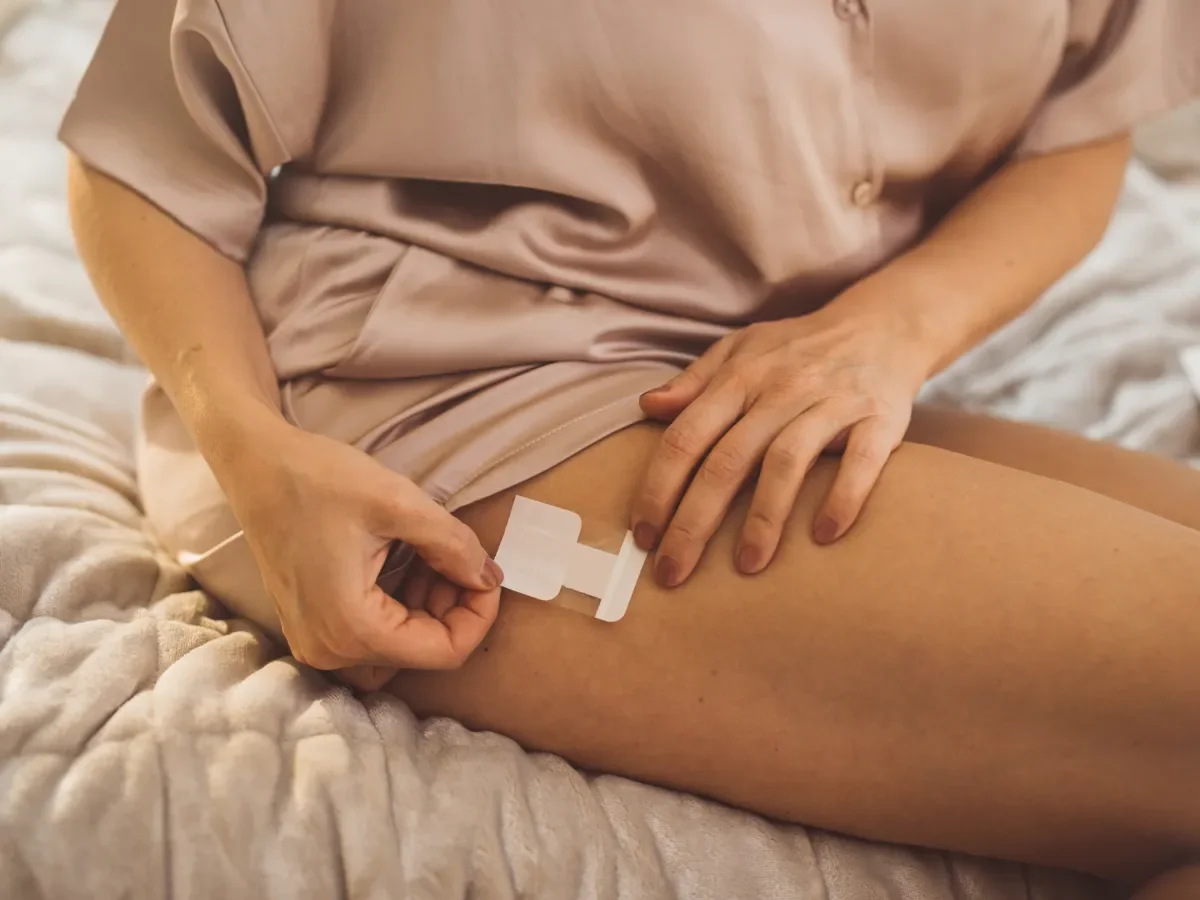
If your social media feed suddenly feels like a nonstop perimenopause symposium… welcome to your 40s (or in some cases, late 30s).
We are officially in our perimenopause era.
Let’s start with a few quick facts.
What is Perimenopause (and when does it start)?
Perimenopause is the 10–15 year transition before menopause (defined as 12 months without a period).
The average age of menopause is 51.
But perimenopause?
I regularly see the first signs around age 38. Sometimes earlier.
And no… hot flashes are not usually the first symptom.
Early Perimenopause symptoms most women miss
Hot flashes are talked about the most, but they tend to show up later in the transition.
The early symptoms I see most often include:
Shorter menstrual cycles
A cycle that used to be 28–30 days is suddenly 23–25.
Worsening PMS
More irritability, breast tenderness, anxiety, mood swings.
Insomnia
Especially middle-of-the-night wakeups.
Brain fog
Word-finding issues, forgetfulness, mental fatigue.
Night sweats
Typically showing up a few days before your period
Weight gain or body composition changes
Especially mid section!
Heavier periods
Needing to change your tampon every hour or two? You’re losing a ton of blood.
Quick check in -
You can be postpartum and perimenopausal at the same time.
You can still get pregnant in perimenopause.
Many providers are not trained to manage this stage comprehensively… or at all
Read Next:
Perimenopause Brain Fog: Why You Can’t Remember A damn thing Right Now
Is HRT the Only Thing That Helps Perimenopause?
Hormone Replacement Therapy (HRT) is having a major renaissance right now and for good reason.
Older studies overstated risks of things like breast cancer.
Newer research shows estrogen is protective for many aspects of aging - including bone and brain health.
Hormones are not the villain they were once made out to be.
But here’s the nuance.
The question isn’t:
“Is HRT good or bad?”
The better question is:
“Where are you on the perimenopause train?”
The Perimenopause Train: A Better Framework
Imagine perimenopause as a long train ride.
There are multiple stops.
Not everyone needs to ride to the end.
🚂 Stop 1: The Foundations
This is where most early perimenopause symptoms improve dramatically.
That means:
Eating enough
Chronic under-eating is incredibly common and worsens PMS, sleep, and metabolic shifts.
Getting adequate protein and carbohydrates
Low-carb + high stress + 40-year-old hormones = insomnia, PMS, and anxiety for many women.
Supporting sleep
Less late-night wine. Less coffee-for-breakfast. More actual fuel. Maybe a sleep supplement stack.
Strength-focused movement
Your 25-year-old cardio routine may not serve your 40-year-old nervous system.
When we work on the foundations, many women get off the train here because this is all they needed.
🚂 Stop 2: Root cause work
If symptoms persist, we dig deeper.
Common root drivers include:
Nutrient deficiencies
Magnesium, B12, and iron deficiencies alone can cause fatigue, insomnia, and brain fog.
Blood sugar dysregulation
This worsens cortisol patterns and hormone symptoms.
Thyroid dysfunction
Slow thyroid = heavy periods, hair loss, fatigue, slow metabolism, constipation. Hyperthyroid = anxiety, insomnia, heart palpitations. A lot of these symptoms are often mistaken as perimenopause when they are really the thyroid.
Inflammation
Fatigue, gut symptoms, weight gain are all symptoms of inflammation. Again, we don’t need to blame peri for all our drama.
This is where personalized nutrition and testing matter.
A large percentage of early perimenopause patients feel dramatically better at this train stop.
Want more like this?
Subscribe to my newsletter for weekly(ish) postpartum hormone and nutrition tips
🚂 Stop 3: Functional foods for hormone support
Certain foods can support hormone metabolism and balance during the transition.
Examples include:
Flaxseed
Supports estrogen metabolism.
Soy and legumes
Contain phytoestrogens that can gently modulate estrogen activity.
Grass-fed beef
Provides iron, B12, and zinc critical for energy and hormone function.
These aren’t hormone replacements.
They’re supportive tools.
🚂 Stop 4: Targeted supplements
This is where herbs and therapeutic nutrients come in.
Based on symptoms and labs, this might include:
Magnesium or glycine for sleep and PMS
Adaptogens for stress resilience
Iron or B12 for deficiency correction
Specific botanical blends for cycle support
This is personalized based on someone’s labs and symptoms.
🚂 Final Stop: HRT (if appropriate)
For some women, especially in later perimenopause, HRT is absolutely appropriate and life-changing.
But here’s the key:
You’ll respond better to HRT if the earlier stops are addressed.
Skipping foundations and going straight to hormones often means lingering symptoms.
Working through the train in order means you might:
Not need HRT yet
Need a lower dose
Feel significantly better overall
Nutrition and supplements do not replace hormones after ovarian function declines.
But during the fluctuating years?
Nutrition matters more than most people realize.
Read Next:
So… is it a hormone problem or a nutrition problem?
It’s both.
Early perimenopause symptoms are often a combination of:
Hormone shifts
Stress load
Nutrient depletion
Lifestyle mismatch
The mistake I see most often is assuming the only solution is pharmaceutical.
The bigger conversation should include both.
Want help figuring out where you are on the train?
If you’re:
In your late 30s or 40s
Noticing worsening PMS or cycle changes
Struggling with sleep, brain fog, or weight shifts
Wondering whether HRT is right for you
These are the nuanced discussions I have with my clients.
When we work together, we:
Assess root causes
order and Evaluate labs
Build a plan that matches your stage
have thoughtful discussions on pros and cons of hrt
👉 Learn more about working with me here.
xo
Alison
Want the good stuff?
sign up to get weekly postpartum and hormone tips via email.